
Astonishing Basketball Manager
Studio Zero GamesSports
4.51.01K Reviews
- Version
- 6.4.5
- Installs
- 1.00M
- Age Rating
- Everyone
Screenshots
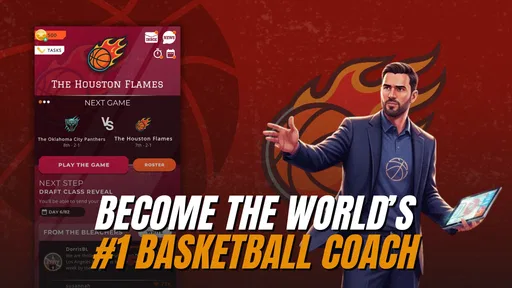
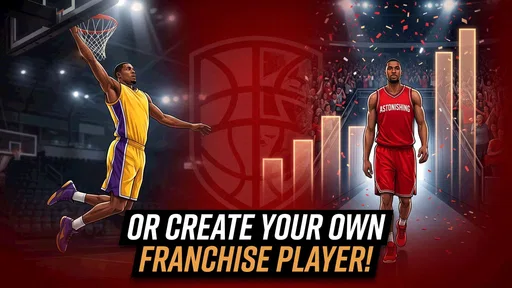
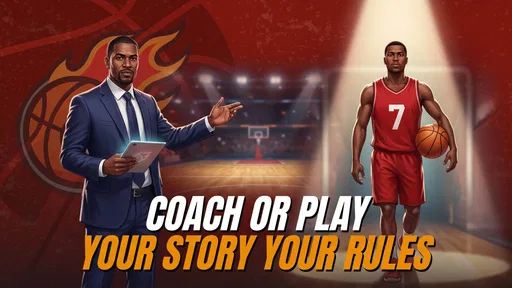

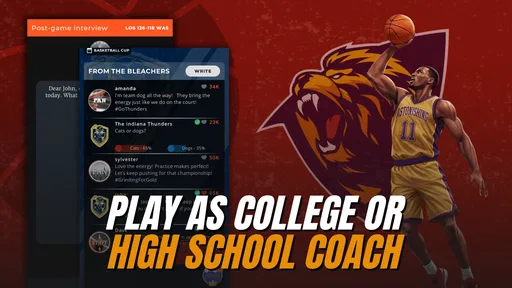

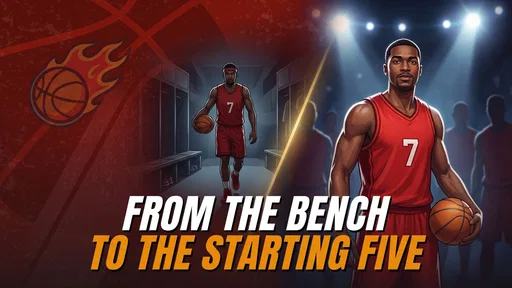
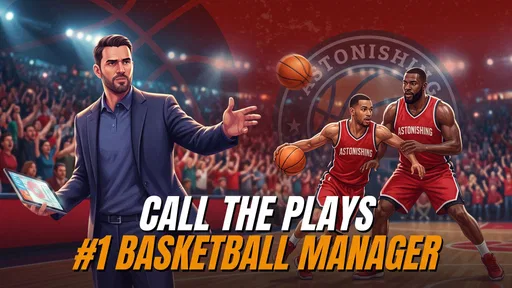
Our Review of Astonishing Basketball Manager
 Analysis by Appyee
I approached Astonishing Basketball Manager expecting a straightforward sports game, but its appeal became clearer after spending time with it: this is a basketball simulation built around the mindset of a coach, general manager, or franchise player rather than a simple arcade match. The central pleasure comes from making decisions, watching a season take shape, and accepting that a good plan can still produce an awkward result. I found it more thoughtful than its compact mobile format first suggests.
That distinction matters. If you want to control every dribble directly, this may not be the right basketball game for you. If you enjoy shaping a team, weighing choices, and following a longer sporting story, Studio Zero Games has created something much more suitable. It is free to play, aimed at Everyone, and available for devices running Android 7.1 or later. The game has built a sizeable audience, with over a million installs and a 4.5 average from around twelve thousand ratings.
From a quick launch to a long-term basketball habit
I find the best way to judge this game is to notice what draws me back: not a single match, but the chance to see how a basketball plan unfolds across a campaign. That makes it easier to decide whether its measured pace fits your spare moments or whether you would rather have immediate on-court action. From there, I’d look at the choices that give those longer sessions their shape.
The first impression is about decisions, not spectacle
My first useful realization was that the game does not need a flashy presentation to make a season feel meaningful. The attraction is in the role I am asked to occupy. I am not merely trying to win the next possession; I am thinking about how a roster works, how a campaign develops, and whether a short-term choice will create a problem later. That makes the opening experience feel closer to running a small sports project than playing a traditional pick-up game.
The store summary describes the experience as letting players become an ultimate coach and GM or a franchise player. In practice, that range gives the game a flexible identity. I can approach it as someone who enjoys the strategic side of basketball, or I can treat the career as a personal sporting journey. The important point is that both viewpoints depend on the same broader simulation rather than on isolated arcade challenges.
I recommend giving the game a little time before deciding whether it is for you. The first session may appear quiet if you are used to instant action, but the slower presentation lets the consequences of choices become easier to follow. I began by making decisions quickly, then learned that pausing to consider the shape of the team was more rewarding than trying to rush through every stage.
That pacing also makes it a practical companion for ordinary routines. I can imagine opening it during a short commute, checking the state of a season, making a couple of management choices, and returning later without needing to remember a complicated control sequence. It also suits a longer evening session when I want to follow a campaign more carefully. The game works best when I treat it as an ongoing sports story rather than a collection of disposable matches.
A useful way to understand the setting
The setting is not presented as a heavily scripted basketball drama with elaborate cinematic scenes. Its world is communicated through the structure of the sporting environment: teams, roles, seasons, decisions, and the pressure to turn potential into results. That restraint is one of its strengths. Instead of interrupting the experience with excessive decoration, the game allows the imagined league to form in my head through the choices I make.
This approach gives the game a particular tone. The world feels functional and focused, which suits a management simulation. I am encouraged to read situations as a coach or executive would: What does this team need? Which option supports the longer plan? Is a disappointing result a sign of a broken strategy, or simply one part of a difficult campaign? Those questions create more atmosphere than a decorative background would have done.
The art direction supports that practical identity. I would not choose this game for visual spectacle alone, but its presentation keeps the focus on the sport and the decisions surrounding it. There is a pleasant sense of organization to the experience, and the visual language helps me understand that I am handling a basketball operation rather than controlling a character through an action level.
One of the less obvious strengths is how much room the restrained setting leaves for personal interpretation. Two players can approach the same kind of season with different priorities. One may care about immediate results, another about building a stronger long-term identity, and a third may simply enjoy seeing how a career develops. The game does not need to dictate a dramatic narrative because the narrative comes from the tension between those priorities.
Sound and the rhythm of a season
The sound design does not try to dominate the experience, and I think that is appropriate. In a game built around decisions, constant audio intensity could become tiring quickly. The quieter approach keeps the mood controlled and gives the player space to think. It feels closer to sitting with a season plan than standing inside a nonstop highlight reel.
That does not mean the game lacks rhythm. Its rhythm comes from the movement between preparation, choice, result, and reflection. A decision creates anticipation, the next development provides feedback, and I then decide whether to adjust or stay with the plan. This cycle is the real soundtrack of the game. When it works, even a small change can feel important because it belongs to a larger campaign.
I especially liked the way this rhythm encourages restraint. It is tempting to respond emotionally after a poor result, but changing everything immediately is not always the smartest reaction. A better workflow is to identify what actually went wrong, decide whether the issue is temporary or structural, and then make one meaningful adjustment. That habit is useful beyond this game because it turns the simulation into a lesson in reading patterns rather than chasing every result.
The slower tempo will not satisfy everyone. Players looking for rapid matches, dramatic commentary, or a constant stream of visual rewards may find the experience too measured. I would point those players toward a more action-focused basketball alternative. This game is better for people who enjoy the anticipation before the result and the reasoning that follows it.
Why the mechanics match the mood
The mechanics and presentation generally support each other. Because the game presents itself as a basketball simulation, I expect decisions to matter over time rather than produce instant, guaranteed excitement. The management and franchise framing gives each choice a context, while the player-focused angle offers a more personal way to experience the same sporting world. That combination helps the game avoid feeling like a spreadsheet with basketball terminology attached.
My most useful tip is to define a priority before making changes. For example, I might decide that the current phase is about stability, experimentation, or building toward a stronger future. Without that priority, it is easy to react to every setback and create a confused strategy. With one, the game becomes easier to read: a choice can be judged by whether it supports the plan, not only by whether the next result looks good.
A second practical insight is to treat the franchise and player perspectives differently. The franchise viewpoint is naturally broader, so it rewards thinking about the whole operation and the direction of a campaign. The player viewpoint feels more personal and can be appealing when I want a clearer sense of individual progress. Switching my mindset between these approaches changes how I interpret success, which gives the game more replay value than a single fixed role would provide.
A third trade-off concerns convenience. A mobile simulation can be easier to return to than a large console sports title, but that accessibility also means the experience may feel less visually immediate. I gain portability and a lower barrier to entry, while giving up some of the tactile excitement of direct on-court control. For me, that is a fair exchange when I want strategic basketball in short sessions, but it would be a poor exchange for someone who plays mainly for physical responsiveness.
The current version is 6.4.5, and the game remains free to start. Optional in-app purchases range from $0.49 to $29.99 per item, so I would approach spending carefully. The best way to judge the experience is to play it as a decision-making game first, rather than assuming purchases are necessary to make the basic idea worthwhile. Anyone who dislikes optional spending should set a personal limit before becoming invested in a long campaign.
Everyday use cases that make sense
For a realistic daily scenario, imagine having ten minutes before an appointment. This is a good moment to open the game, review the current state of a campaign, and make a considered adjustment. The session can end without requiring a full match-like commitment, and the next time I return, I have a clear question to answer: did the previous decision help the team or reveal a different problem?
It also works for a longer weekend session, especially if I enjoy keeping notes in my head about what I am trying to achieve. I might spend one sitting building a plan, another checking how the season responds, and a later one deciding whether to stay patient. That structure gives the game a satisfying sense of continuity. It is less suitable for a player who wants every launch to deliver a complete burst of action.
The game is also a good entry point for someone curious about sports management but intimidated by larger, more complicated simulations. Its basketball focus keeps the theme easy to understand, while the coach, GM, and franchise-player perspectives provide different ways to engage. I would still recommend patience, because the value comes from connecting decisions across time rather than mastering a single button combination.
Where it stands beside familiar alternatives
Compared with arcade basketball games, this title is less concerned with reflexes and more concerned with judgment. An arcade game is usually the better option when I want to feel directly responsible for every movement on the court. Here, I am more interested in the consequences surrounding the action. The reward is not necessarily a spectacular play; it is seeing a plan become more coherent.
Compared with large sports-management games on consoles or computers, the mobile format feels easier to pick up and revisit. That convenience comes with a lighter presentation and a smaller sense of spectacle. Players who want deep audiovisual production, highly detailed match control, or an enormous simulation may prefer a bigger platform. Players who want a portable basketball management experience can find the focused scope more comfortable.
It also differs from casual sports games that deliver quick rounds with little connection between them. Here, continuity is important. A result matters because it belongs to a career or franchise context, and that context gives ordinary choices more weight. The trade-off is that a bad decision can feel frustrating precisely because it is not instantly erased. I see that as part of the appeal, but it means the game rewards a calmer temperament.
Who should play, and who should skip it
I would recommend it to basketball fans who enjoy strategy, long-term planning, and imagining themselves behind the scenes of a team. It is especially appealing if you like asking why a season is unfolding in a certain way and adjusting your approach without expecting a guaranteed outcome. The free entry point also makes it easy to test whether the slower simulation style suits you.
I would skip it if my main goal were direct, high-energy basketball control. Someone who wants to dribble, shoot, defend, and immediately feel the result of each input will probably be happier elsewhere. I would also be cautious if I dislike games with optional purchases or if I tend to become frustrated when a carefully considered plan does not pay off straight away.
The Everyone age rating makes the game approachable for a broad audience, but accessibility of theme does not mean the experience is equally appealing to all ages or play styles. Younger players may enjoy the sports setting, while players who already like management simulations are more likely to appreciate the patient decision cycle. The right audience is defined less by age than by whether basketball strategy sounds enjoyable.
My final atmosphere verdict
After looking at the art direction, sound, setting, and pacing together, I think the game succeeds because they all point toward the same identity. Nothing feels designed solely to distract from the simulation. The presentation creates a composed sporting mood, and the mechanics give that mood a purpose by asking me to think beyond the next result.
Its limitations are clear: the pace is deliberate, the experience is not built around direct on-court spectacle, and optional purchases mean I would play with a spending boundary in mind. Those points should be part of the decision, not hidden behind the appealing basketball theme. The game is strongest when I want an ongoing campaign that fits into mobile life and rewards patience.
Studio Zero Games has made a sports game that I would recommend to a friend who enjoys the idea of being responsible for a basketball story rather than merely starring in its highlights. The key question is whether you want to control the action or shape what the action means. If the second option sounds more appealing, Astonishing Basketball Manager offers a focused, atmospheric, and pleasantly thoughtful way to spend time with the sport.
For me, the lasting value is the way a modest mobile presentation leaves room for personal strategy. I remember the decisions I made, the moments when I resisted overreacting, and the campaigns that gradually developed their own identity. That is why I would return to it: not for a burst of noise, but for the quiet satisfaction of seeing a basketball plan take on a life of its own.
Verdict
Strengths of Astonishing Basketball Manager
- Deep roster management with meaningful tactical decisions
- Realistic league progression keeps long-term saves engaging
- Detailed player statistics help guide recruitment and training
- Matches are quick to review without requiring constant attention
- Suitable for fans who enjoy strategy more than arcade gameplay
Limitations of Astonishing Basketball Manager
- Steep learning curve for players unfamiliar with basketball management
- Some advanced features may take time to unlock or understand
- Match outcomes can feel dependent on statistics over direct input
- Limited appeal for users seeking real-time basketball action
- Long-term progression may require patience and regular planning
Other Releases by Studio Zero Games
View All
Astonishing Comic Reader
Comics4.5
Similar Picks in This Category
View All
8 Ball Pool
Miniclip.com4.8

Pooking - Billiards City
AIM TOP GAME TECHNOLOGY LIMITED - pool4.6

Carrom Pool: Disc Game
Miniclip.com4.4

EA SPORTS FC Soccer Mobile 26
ELECTRONIC ARTS4.6

World Soccer League
mobirix4.3

Soccer Cup 2026: Football Game
INLOGIC SPORTS - football tennis golf soccer4.3
Frequently Asked Questions
What is Astonishing Basketball Manager?
Astonishing Basketball Manager is a basketball management simulation in which you take control of a team and handle the decisions normally made by a professional coach and general manager. You can build a roster, set tactics, manage player development, negotiate contracts, and guide your club through seasons. It focuses more on strategy, planning, and long-term team building than on directly controlling players during matches.
Can I play Astonishing Basketball Manager offline?
The game is primarily designed around a connected management experience, so an internet connection may be required for certain features, updates, account functions, or online competitions. Some single-player elements may work without a constant connection, but this can depend on the platform version and current game requirements. It is best to launch the game online first and check which features remain available offline.
Is Astonishing Basketball Manager free to download and play?
Astonishing Basketball Manager can generally be downloaded without an upfront purchase, but players should review the store listing for the current pricing model because availability and monetization may change. Depending on the version, optional in-app purchases, advertisements, or premium content may be included. You can usually enjoy the core management experience without spending money, although progression or convenience features may be offered for purchase.
What can I manage in Astonishing Basketball Manager?
The game gives you control over many areas of running a basketball organization. You can scout and sign players, create lineups, choose tactical systems, manage training, develop young talent, and make decisions during the season. Results depend on more than individual player ratings, since chemistry, fatigue, injuries, contracts, finances, and the way your strategy matches each opponent can all affect performance.
Is Astonishing Basketball Manager suitable for casual players?
It can be suitable for casual players, but it is aimed mainly at people who enjoy detailed sports-management games and do not mind making decisions over several seasons. New players may need time to understand the menus, statistics, tactics, and roster systems. Once the basics are familiar, the game becomes easier to follow, and you can gradually take on more responsibility instead of managing every detail immediately.
Play our best games!


